
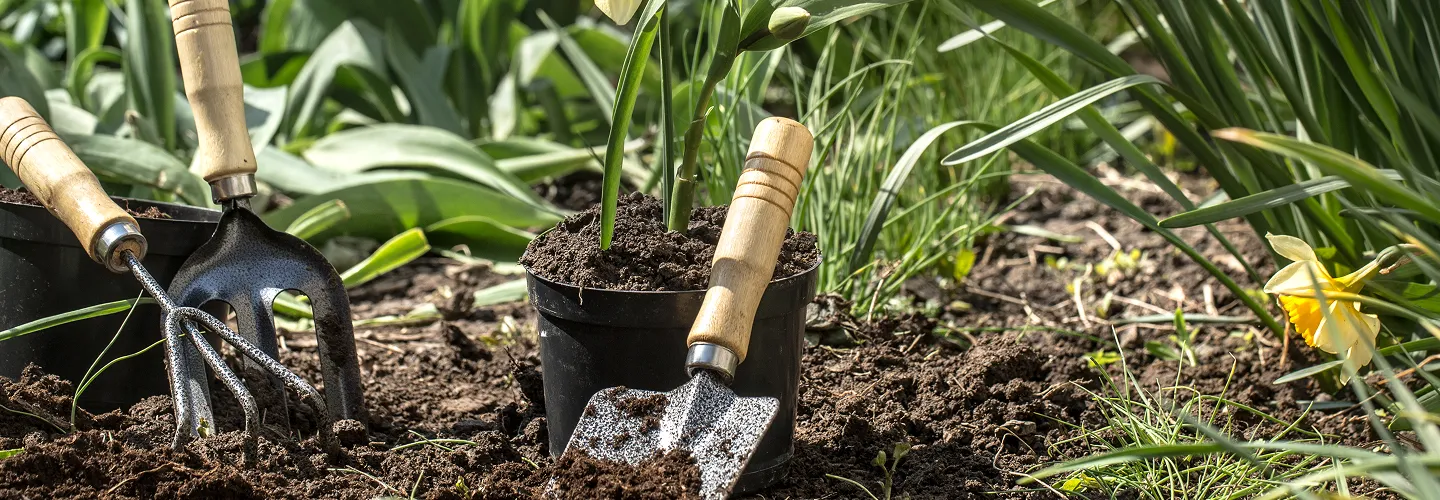
Naples Flower Bed Maintenance Services
Choose our expert flower bed maintenance for lush, healthy blooms and a beautifully manicured landscape—so you can enjoy a stunning garden without the hassle.
Get a Free QuoteOur Naples Landscaping & Yard Care Services
When to Schedule Flower Bed Maintenance in Naples, Florida – Seasonal Guide
In Naples, Florida, the subtropical climate means flower bed maintenance is best scheduled with careful attention to the region’s unique weather patterns and landscape features. The optimal times for maintenance are typically late winter through early spring and again in early fall, when temperatures are moderate and rainfall is more predictable. This timing helps prepare beds for the intense summer heat and humidity, as well as the occasional heavy rains that can impact neighborhoods like Park Shore and Pelican Bay.
Local environmental factors play a significant role in determining the best maintenance schedule. For example, Naples rarely experiences frost, but the risk of drought during late spring and early summer can stress plants, especially in areas with sandy soils like those near North Naples. Shade coverage from mature trees in communities such as Old Naples can also affect moisture retention and plant health. It’s important to consider municipal guidelines and resources, such as those found on the City of Naples website, to stay informed about any local restrictions or recommendations.
Local Factors to Consider for Flower Bed Maintenance in Naples
- Tree density and shade coverage, especially in established neighborhoods
- Soil type (sandy vs. loamy) and drainage characteristics
- Seasonal precipitation patterns and drought risk
- Proximity to coastal areas and salt exposure
- Municipal restrictions or watering schedules
- Terrain and elevation, particularly in areas prone to flooding
Benefits of Flower Bed Maintenance in Naples
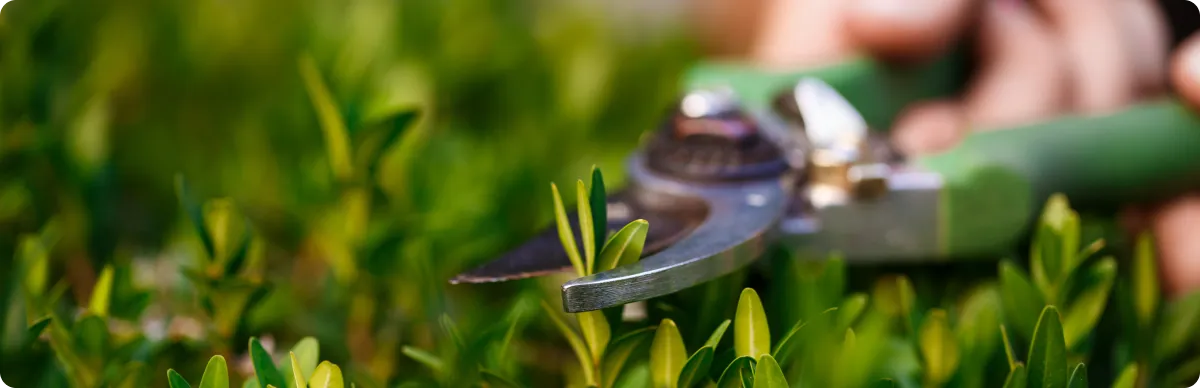
Enhanced Curb Appeal
Weed and Pest Prevention
Healthier Plant Growth
Seasonal Color Management
Professional Expertise
Time and Effort Savings
Naples Flower Bed Maintenance Types

Seasonal Mulching
Protects soil and retains moisture for healthier flower beds.
-
Weed Control
Prevents invasive plants from overtaking your flower beds.
-
Fertilization Services
Promotes vibrant blooms and strong root systems.
-
Pruning and Deadheading
Encourages new growth and maintains plant health.
-
Soil Amendment
Improves soil structure and nutrient content for optimal plant growth.
-
Pest and Disease Management
Protects flowers from common pests and diseases.
Our Flower Bed Maintenance Process
Site Evaluation
Weed Removal
Soil Cultivation
Mulching
Plant Health Inspection
Why Choose Naples Landscape Services
-
Naples Homeowners Trust Us
-
Expert Lawn Maintenance
-
Reliable Scheduling
-
Competitive Pricing
-
Professional Team
-
Satisfaction Guarantee
-
Personalized Service
Coordinating Flower Bed Maintenance with Naples Municipal Stormwater and Public Works Programs
Flower bed maintenance in Naples requires awareness of municipal stormwater protection priorities, particularly given the city's proximity to Naples Bay and the Gulf of Mexico. Organic debris, displaced mulch, and soil amendments from flower beds can migrate into curb inlets, swales, and drainage channels during heavy rainfall events. The City of Naples actively manages pollution prevention programs that apply to residential and commercial landscape maintenance activities. Property owners and managers should ensure that bed maintenance crews contain all clippings, spent plant material, and granular products on-site rather than allowing them to wash into the stormwater system. Vegetative debris generated from flower bed cleanouts must follow the city's yard waste collection procedures; verify current pickup schedules and bundling requirements through Public Works before placing material curbside.
Naples Public Works
295 Riverside Circle, Naples, FL 34102
Official Website: Naples Public Works
Naples Pollution Prevention
Official Website: Naples Pollution Prevention
- Keep displaced mulch, soil, and plant trimmings out of swales, curb inlets, and storm drains
- Bundle or containerize vegetative waste according to current city collection guidelines
- Schedule bed cleanouts to avoid periods immediately before forecast heavy rain events
- Coordinate with Public Works for bulk organic debris removal when bed renovations generate large volumes
How Naples's Coastal Heat and Sandy Soils Shape Flower Bed Performance
Naples falls within USDA Hardiness Zone 10a, situated along Florida's subtropical Gulf Coast where summer temperatures routinely exceed 90°F with high humidity from June through September. These conditions directly affect flower bed longevity, irrigation demand, and pest pressure. The predominant soils in the Naples area are sandy and shell-influenced with rapid drainage and low organic matter retention, meaning that nutrients and moisture move quickly through the root zone. The USDA Web Soil Survey confirms that many residential parcels in the area sit on sandy coastal soils with limited water-holding capacity. The high water table common in low-lying sections of the city can create saturated conditions during the wet season (June through October), while the dry season (November through May) demands consistent supplemental irrigation.
- Rapid nutrient leaching: Sandy soils require slow-release fertilizer formulations and careful application timing to prevent nutrients from reaching groundwater or surface water
- Salt exposure: Properties near the coast experience salt spray and saline irrigation water, limiting plant selection to salt-tolerant species such as lantana, plumbago, and beach sunflower
- Fungal pressure: High humidity and afternoon thunderstorms promote fungal diseases in densely planted beds, making air circulation and proper plant spacing essential
- Reflected heat: Beds adjacent to driveways, sidewalks, and light-colored stucco walls absorb radiant heat that accelerates moisture loss and stresses shallow-rooted annuals
Selecting region-appropriate species through resources like the USDA Plant Hardiness Zone Map helps ensure that flower bed plantings are suited to Naples's specific climate envelope.
Navigating Naples's Environmental and Fertilizer Regulations for Flower Bed Care
Flower bed maintenance in Naples operates within a regulatory framework that addresses water quality, tree protection, and chemical application standards. Collier County enforces a fertilizer ordinance aligned with Florida Statutes §403.9337, which establishes seasonal restrictions on nitrogen and phosphorus application to urban landscapes. Property owners should verify current blackout periods and application rate limits before fertilizing flower beds, as these restrictions are designed to protect Naples Bay and downstream estuarine systems. Any commercial applicator using pesticides or herbicides in flower beds must hold valid certification through the Florida Department of Agriculture and Consumer Services. Additionally, the city's tree protection ordinance may affect bed maintenance activities conducted within the root zones of protected trees.
Naples Environmental Management
Official Website: Naples Environmental Management
- Verify fertilizer blackout dates and application restrictions with the county before scheduling bed fertilization
- Confirm that any contractor applying herbicides or pesticides holds current FDACS certification
- Review the Naples Tree Protection Ordinance before excavating, amending soil, or altering grade within the drip line of protected trees
- Avoid applying granular fertilizer within ten feet of any water body, canal, or stormwater conveyance, consistent with Florida-Friendly landscape principles outlined by UF/IFAS
Timing Flower Bed Maintenance Around Naples's Wet Season and Seasonal Heat Cycles
Professional flower bed maintenance in Naples follows a seasonal rhythm dictated by the region's distinct wet and dry periods. The wet season, typically June through October, brings daily afternoon thunderstorms that accelerate weed germination, promote fungal growth, and displace mulch from bed surfaces. The dry season, November through May, shifts the focus to irrigation management, deadheading, and seasonal replanting.
- Mulch replenishment: Apply or refresh mulch to a depth of two to three inches in early spring before wet-season rains begin; avoid piling mulch against plant stems to prevent crown rot
- Deadheading and cleanup: Remove spent blooms and decaying foliage on a regular cycle to reduce fungal habitat and maintain bed appearance; increase frequency during the humid summer months
- Weed suppression: Hand-pull or spot-treat weeds before they set seed, particularly after summer rain events when weed flushes are most aggressive; pre-emergent applications should be timed before the onset of the wet season
- Seasonal replanting: Transition cool-season annuals such as petunias and snapdragons out of beds by late April, replacing them with heat-tolerant selections like pentas, vinca, or coleus that perform through Naples's summer
- Irrigation emitter checks: Inspect drip emitters and micro-sprayers monthly, as sandy soil particles and mineral deposits from Naples's water supply can clog nozzles; adjust run times seasonally per EPA WaterSense efficiency guidance
What Neighborhoods Do We Serve Throughout Naples, FL?
- Old Naples: Historic residential lots with mature tree canopies that create heavy shade conditions, requiring shade-tolerant bed plantings and careful root-zone management around protected trees
- Aqualane Shores: Waterfront properties along canals and Naples Bay where salt exposure and stormwater sensitivity demand salt-tolerant flower selections and careful fertilizer containment
- Coquina Sands: Established lots with sandy coastal soils and proximity to the Gulf, where irrigation efficiency and wind-tolerant plantings are essential for bed longevity
- Park Shore: Properties adjacent to the Venetian Bay system with high water tables and HOA landscape standards that influence bed design, plant selection, and maintenance frequency
- Royal Harbor: Canal-front homes where flower bed runoff must be carefully managed to prevent nutrient loading into navigable waterways connected to Naples Bay
- Lake Park: Older residential parcels with mature landscaping and mixed shade-sun exposure, requiring tailored bed maintenance schedules that account for dense canopy cover