
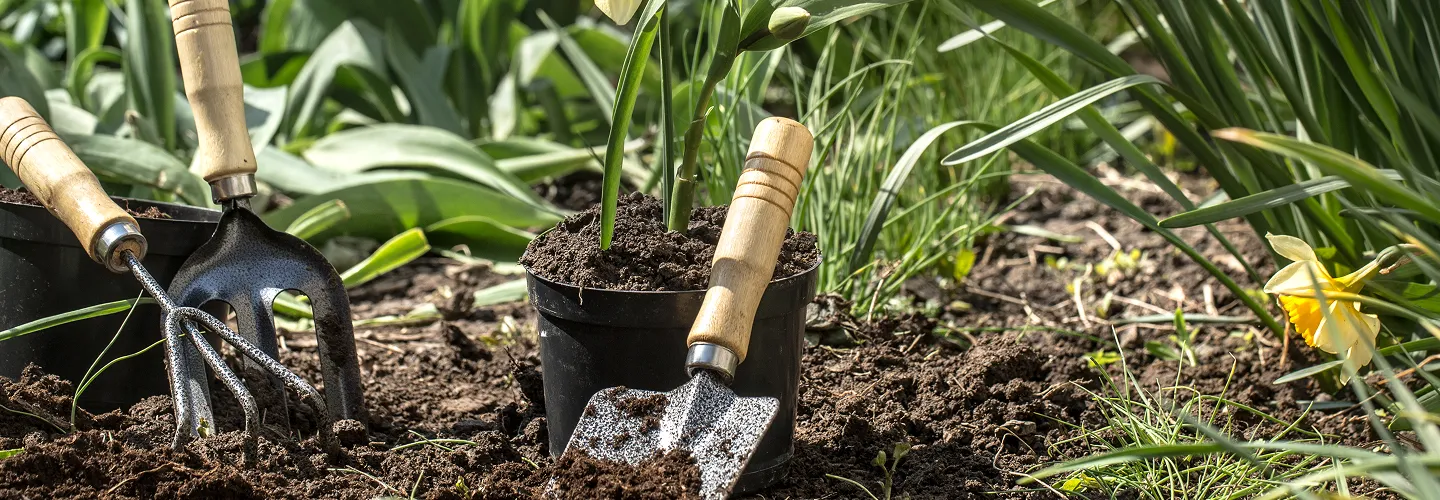
Naples Green Waste Disposal Services
Choose our Green Waste Disposal for reliable, environmentally responsible removal of your yard debris—helping you keep your property clean while supporting a greener Naples.
Get a Free QuoteOur Naples Landscaping & Yard Care Services
When to Schedule Green Waste Disposal in Naples, Florida – Seasonal Guide
In Naples, Florida, the timing of green waste disposal is closely tied to our unique subtropical climate and the lush landscapes found in neighborhoods like Pelican Bay, Old Naples, and Park Shore. The optimal periods for scheduling green waste removal are typically late winter through early spring and again in late summer, aligning with the region’s active growing seasons and the aftermath of summer storms. These windows help homeowners manage rapid plant growth, fallen branches, and accumulated debris before the onset of hurricane season or the cooler, drier winter months.
Local environmental factors play a significant role in determining the best disposal schedule. For example, Naples rarely experiences frost, but high humidity and frequent rainfall can accelerate plant growth and decomposition, especially in shaded areas or properties with rich, loamy soils. Homeowners should also be mindful of municipal guidelines and seasonal collection schedules, which can be found on resources like the City of Sudbury’s website, to ensure compliance and efficient service.
Local Factors to Consider for Green Waste Disposal in Naples
- Tree density and types of vegetation on your property
- Proximity to water bodies or wetlands (e.g., near Gordon River or Clam Pass)
- Seasonal precipitation patterns and hurricane risk
- Municipal restrictions and scheduled collection days
- Soil type and drainage characteristics
- Shade coverage and microclimates within your landscape
Benefits of Green Waste Disposal in Naples
Eco-Friendly Landscaping Solutions
Efficient Green Waste Removal
Promotes Healthy Plant Growth
Reduces Landfill Waste
Supports Local Sustainability
Enhances Property Appearance
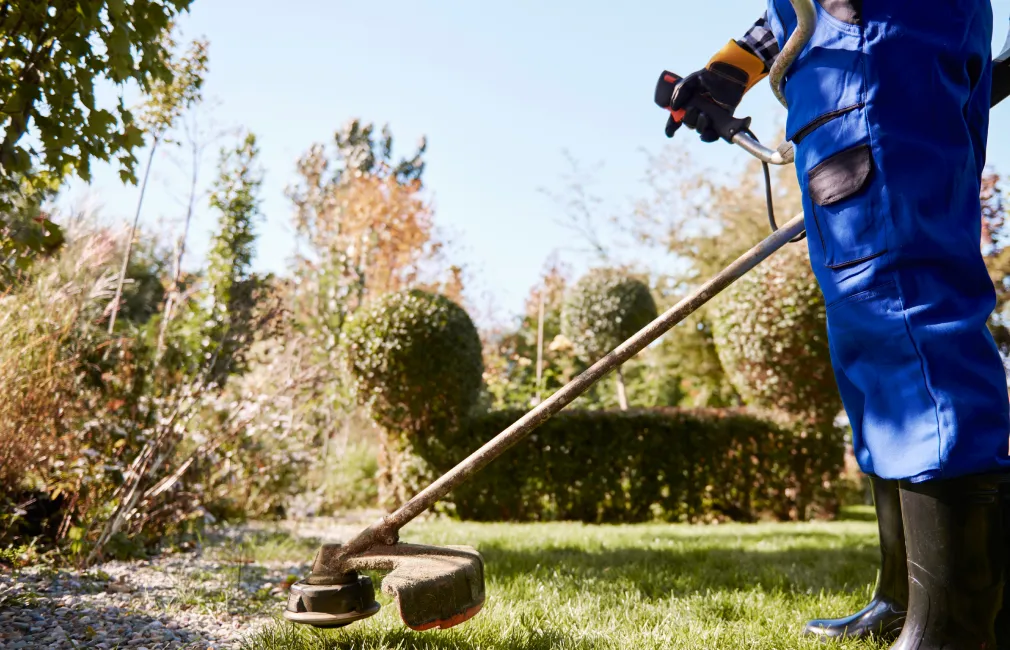
Naples Green Waste Disposal Types

Grass Clippings
-
Tree Branches
-
Shrub Trimmings
-
Leaves Collection
-
Palm Fronds
-
Garden Debris
-
Mulch Recycling
Our Green Waste Disposal Process
Collection of Green Waste
Sorting and Separation
Transport to Disposal Facility
Eco-Friendly Processing
Why Choose Naples Landscape Services
-
Naples Homeowners Trust Us
-
Expert Lawn Maintenance
-
Reliable Scheduling
-
Competitive Pricing
-
Professional Team
-
Satisfaction Guarantee
-
Personalized Service
Coordinating Green Waste Disposal Through Naples Public Works and Sanitation Services
Green waste disposal in Naples requires coordination with the city's municipal infrastructure for vegetative debris collection and proper routing of organic materials away from waterways. The City of Naples manages sanitation coordination, including yard waste pickup, through its Public Works division. Residents and property managers should verify current collection schedules, container or bundling requirements, and any volume limitations directly with the department before placing materials curbside.
- Accepted green waste typically includes grass clippings, leaves, small branches, palm fronds, and other vegetative trimmings generated from routine landscape maintenance
- Vegetative debris should be separated from household trash, construction materials, and non-organic waste to comply with municipal sorting requirements
- Large-volume disposal from commercial landscape operations or storm-related cleanups may require separate hauling arrangements through licensed waste transporters
- Debris must not be placed over storm-drain inlets, within swales, or along canal edges where it could obstruct drainage flow
Naples Public Works
295 Riverside Circle, Naples, FL 34102
Official Website: Naples Public Works
Property managers overseeing multiple parcels should confirm whether bulk vegetative debris pickup requires advance scheduling or if standard curbside service applies to their properties.
How Naples's Coastal Climate and Soils Affect Green Waste Accumulation
Naples sits within USDA Hardiness Zone 10a–10b along Florida's Gulf Coast, where subtropical conditions drive year-round vegetative growth and correspondingly high volumes of green waste. Several environmental factors directly influence disposal frequency and handling requirements.
- Wet-season growth surges: From roughly June through October, Naples receives the majority of its approximately 54 inches of annual rainfall, accelerating turf growth, palm frond drop, and hedge expansion—all of which increase green waste output substantially
- Sandy coastal soils: Much of Naples is underlain by poorly structured sandy soils with limited organic content, meaning clippings and leaf litter decompose slowly on the surface and can wash into drainage systems during heavy rain events
- High water table: Naples's low elevation and proximity to the Gulf produce a seasonally high water table, which limits on-site composting depth and increases the risk of organic leachate reaching groundwater
- Salt exposure and wind: Coastal wind events deposit salt on foliage, causing periodic leaf scorch and dieback that generates additional disposal volume, particularly on properties east of the beach ridge
These conditions make timely removal and proper disposal of green waste essential to maintaining drainage function and protecting water quality in Naples's interconnected canal and stormwater system. The UF/IFAS resource on protecting Florida's water resources provides additional context on how organic debris affects local waterways.
Navigating Naples's Environmental and Stormwater Regulations for Green Waste Disposal
Green waste disposal in Naples intersects with several layers of environmental regulation designed to protect the city's coastal waterways, Naples Bay, and the broader Gulf ecosystem. Property owners and landscape contractors must understand these compliance requirements.
- Stormwater pollution prevention: Under the Florida DEP NPDES Stormwater Program and the federal Clean Water Act, organic debris that enters the municipal storm sewer system contributes nutrient loading and oxygen depletion in receiving waters. Naples enforces pollution prevention measures that prohibit depositing yard waste into storm drains, ditches, canals, or retention areas.
- Tree protection ordinance: When green waste results from tree trimming or removal, the city's Tree Protection Ordinance may apply. Verify whether the source tree requires a permit or review before generating disposal material from protected species or trees above regulated size thresholds.
- Commercial hauling compliance: Landscape contractors generating green waste on a commercial basis should confirm current disposal routing requirements, as commercial loads may be subject to different handling standards than residential curbside collection.
Naples Pollution Prevention
295 Riverside Circle, Naples, FL 34102
Official Website: Naples Pollution Prevention
Naples Environmental Management
295 Riverside Circle, Naples, FL 34102
Official Website: Naples Environmental Management
The EPA's guidance on municipal stormwater discharges outlines the broader MS4 framework that governs how cities like Naples manage pollutant sources, including organic debris in the right-of-way.
Timing and Methods for Green Waste Disposal in Naples's Subtropical Environment
Effective green waste disposal in Naples depends on aligning removal schedules with the city's seasonal growth patterns and weather conditions. Professional standards for handling vegetative debris reflect the realities of a subtropical Gulf Coast environment.
- Wet-season scheduling: During the June–October rainy season, mowing and trimming cycles shorten to weekly or biweekly intervals, generating significantly more clippings and trimmings. Disposal should occur promptly to prevent material from saturating in afternoon storms and washing into drainage infrastructure.
- Storm-season preparation: Before and after tropical weather events, large volumes of palm fronds, broken branches, and wind-stripped foliage require rapid collection. Staging debris away from swales, canal banks, and curb inlets prevents blockages during high-flow conditions.
- Bundling and separation: Branches and woody material should be cut to manageable lengths and bundled or stacked neatly at the curb, separated from loose clippings and leaf material. Verify current size and weight limits with the city before placing large piles.
- On-site composting limitations: While small-scale composting of grass clippings and leaves is feasible on larger Naples lots, the high water table and sandy soils limit pit-style composting. Raised or contained composting bins are more appropriate where drainage sensitivity exists.
- Dry-season considerations: From November through May, reduced rainfall slows growth but increases the accumulation of dry leaf litter from deciduous tropical species. This material is lightweight and wind-prone, requiring containment to prevent it from migrating into neighboring properties or waterways.
What Neighborhoods Do We Serve Throughout Naples, FL?
- Aqualane Shores — Waterfront properties along Naples Bay generate substantial palm frond and tropical foliage debris, with disposal logistics shaped by narrow lot access and canal-edge sensitivity.
- Old Naples — Mature tree canopies of royal poinciana, gumbo limbo, and coconut palms produce consistent green waste volumes year-round, and the historic district's compact lot sizes require efficient curbside staging.
- Park Shore — Properties adjacent to the Venetian Bay waterway system must ensure green waste is staged well away from seawalls and drainage outfalls to prevent organic material from entering tidal waters.
- Coquina Sands — Established residential lots with dense tropical landscaping and proximity to Lowdermilk Park corridors require regular disposal coordination, particularly after wind events that strip coastal vegetation.
- Lake Park — Inland lots near freshwater drainage features benefit from prompt green waste removal to reduce nutrient loading risk in the city's interconnected stormwater conveyance system.
- Royal Harbor — Canal-front properties in this neighborhood face heightened responsibility for keeping vegetative debris out of waterways that connect directly to Naples Bay and the Gordon River system.