
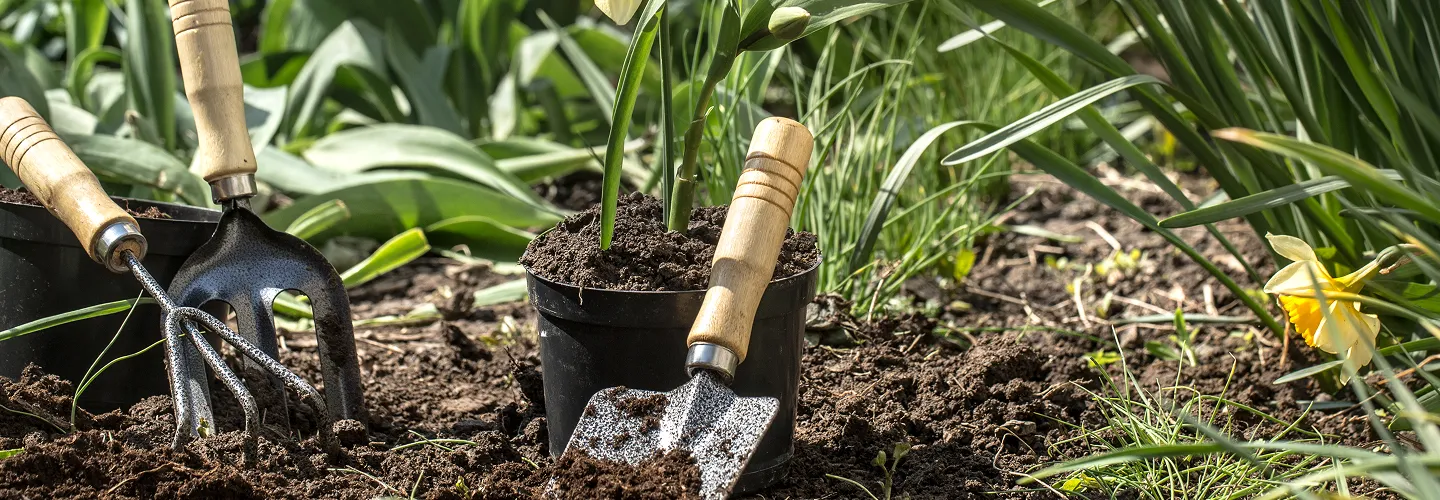
Naples Lawn Edging Services
Choose our expert lawn edging for a polished, professional look that boosts curb appeal and keeps your landscape neat all year long.
Get a Free QuoteOur Naples Landscaping & Yard Care Services
When to Schedule Lawn Edging in Naples, Florida – Seasonal Guide
In Naples, Florida, the best times to schedule lawn edging are typically during the late winter and early spring months, just before the main growing season begins. This timing takes advantage of the region’s mild winters and helps prepare your landscape for the lush growth that follows the last frost, which usually occurs in late January. By edging early, homeowners in neighborhoods like Pelican Bay and Park Shore can ensure crisp, defined borders that withstand the heavy rains and rapid grass growth of summer.
Local environmental factors play a significant role in determining the optimal schedule for lawn edging. Naples’s sandy soils drain quickly, but areas with dense shade—such as those near Cambier Park or along the Gordon River—may retain moisture longer, affecting grass growth and edging needs. High humidity and the risk of drought during late spring and early summer also influence how often edging should be performed. Additionally, it’s important to stay informed about any municipal restrictions or guidelines, which can be found on the City of Naples website.
Local Factors to Consider for Lawn Edging in Naples
- Tree density and shade coverage, especially in established neighborhoods
- Soil type and drainage, with sandy soils requiring different care than clay-rich areas
- Seasonal precipitation patterns and risk of drought
- Proximity to landmarks like the Naples Botanical Garden, which may influence microclimates
- Municipal restrictions or local guidelines on landscaping practices
Benefits of Lawn Edging in Naples

Enhanced Curb Appeal
Weed Growth Prevention
Defined Landscape Borders
Low Maintenance Solutions
Increased Property Value
Professional Installation Expertise

Naples Lawn Edging Types

Brick Lawn Edging
-
Stone Landscape Borders
-
Metal Edging Solutions
-
Plastic Lawn Edging
-
Concrete Curbing
-
Wooden Landscape Edging
-
Rubber Garden Borders
Our Lawn Edging Process
Site Evaluation
Marking Edges
Cutting Borders
Debris Removal
Final Inspection
Why Choose Naples Landscape Services
-
Naples Homeowners Trust Us
-
Expert Lawn Maintenance
-
Reliable Scheduling
-
Competitive Pricing
-
Professional Team
-
Satisfaction Guarantee
-
Personalized Service
Coordinating Lawn Edging Services With Naples Public Works and Stormwater Programs
Lawn edging along sidewalks, driveways, and curb lines in Naples generates vegetative debris that must be managed in accordance with the city's public works and stormwater protocols. Grass clippings, soil fragments, and root material dislodged during edging should never be swept or blown into curb inlets, swales, or drainage structures. Naples operates under a Municipal Separate Storm Sewer System (MS4) permit, meaning organic material entering the stormwater network flows untreated into Naples Bay and surrounding waterways. The city's Pollution Prevention program provides guidance on keeping landscape debris out of the drainage system. Residents and property managers should verify current yard waste collection procedures through Public Works before placing edging debris curbside.
- Sweep or vacuum all edging debris back onto turf or into collection containers immediately after each pass
- Never discharge clippings or soil into swales, canal edges, or storm-drain openings
- Confirm vegetative debris bundling and pickup schedules with the city before disposal
Naples Public Works
295 Riverside Circle, Naples, FL 34102
Official Website: Naples Public Works
How Naples's Coastal Soils and Subtropical Climate Affect Lawn Edging
Naples sits within USDA Hardiness Zone 10a–10b on the Gulf Coast of Southwest Florida, where subtropical heat, high humidity, and intense seasonal rainfall directly influence lawn edging frequency and technique. The region's predominant soils are sandy and shell-influenced with rapid drainage and low organic content, which means turf root zones along hardscape edges tend to be shallow and vulnerable to desiccation during the dry season (November through May). During the wet season (June through October), St. Augustinegrass and zoysiagrass—the most common turf species in Naples—produce aggressive lateral stolons that rapidly encroach over sidewalks, driveways, and bed borders, requiring more frequent mechanical edging.
- Sandy, shell-influenced soils allow rapid lateral root spread but offer minimal resistance to blade overcutting, increasing the risk of scalping along edges
- High water table conditions in low-lying areas can saturate root zones near swales and retention features, softening soil and making edging lines unstable
- Salt exposure on properties near the Gulf or tidal waterways accelerates turf stress along hardscape borders, where reflected heat compounds desiccation
- Humidity-driven fungal pressure can exploit open wounds created by edging, particularly in St. Augustinegrass during summer months
Consulting the USDA Plant Hardiness Zone Map and UF/IFAS Lawn Maintenance and Care resources can help property owners understand how regional conditions shape appropriate edging practices.
Navigating Naples's Stormwater and Environmental Regulations for Lawn Edging
Although lawn edging does not typically require a permit in Naples, the activity intersects with several regulatory frameworks that property owners and service providers must observe. The Florida DEP NPDES Stormwater Program governs pollutant discharge into municipal storm systems, and edging debris—including soil, grass clippings, and fertilizer granules exposed along turf borders—constitutes a potential nonpoint-source pollutant when it enters the drainage network. Naples's environmental management programs reinforce these protections at the local level, particularly for properties adjacent to canals, retention ponds, and coastal waterways.
- Edging near city rights-of-way, sidewalks, or swale frontages must not alter drainage grades or obstruct stormwater flow
- Properties within or adjacent to the Community Redevelopment Area should verify any additional landscape maintenance standards through the Naples Planning Department
- If edging work exposes or disturbs tree root zones of protected species, the city's Tree Protection Ordinance may apply—verify current thresholds before proceeding
- Operators applying any herbicide along edged borders must hold valid credentials under FDACS Pesticide Applicator Licensing
Naples Environmental Management
Official Website: Naples Environmental Management
Naples Pollution Prevention Program
Official Website: Naples Pollution Prevention
Timing and Methods for Professional Lawn Edging in Naples's Growing Seasons
Professional lawn edging in Naples follows the growth cycles of warm-season turfgrasses, which are actively growing from approximately April through October and semi-dormant from December through February. Edging frequency should increase during the wet season when St. Augustinegrass stolons can extend several inches per week across sidewalk and driveway joints. During the cooler dry season, reduced growth rates allow longer intervals between edging passes, and the firmer soil conditions produce cleaner cut lines.
- Blade depth should be set to cut vertically along the turf-hardscape interface without exceeding approximately 2–3 inches, preventing root-zone damage in Naples's shallow sandy soils
- Mechanical string trimmers used for edge detailing should be operated at angles that direct debris back onto the lawn surface, not into the street or swale
- Steel-blade edgers produce the most defined lines along concrete walks and driveways but require careful operation near irrigation heads, valve boxes, and shallow utility lines common in Naples subdivisions
- Morning scheduling (before 10:00 AM) reduces heat stress on freshly cut turf edges and aligns with periods when UF/IFAS irrigation guidance recommends watering, allowing cut surfaces to recover before peak afternoon temperatures
- Edging immediately before or during heavy rainfall events should be avoided to prevent loosened soil and clippings from washing into storm drains
What Neighborhoods Do We Serve Throughout Naples, FL?
- Aqualane Shores — Waterfront lots with seawall and canal frontage require careful edging to prevent debris from entering tidal drainage systems, and mature landscaping creates mixed sun-shade turf conditions along walkways.
- Old Naples — Older lot configurations with narrow setbacks and historic sidewalk alignments demand precise edging techniques, and proximity to the downtown CRA area may involve additional landscape appearance standards.
- Park Shore — Properties adjacent to the Venetian Bay waterway system require strict debris containment during edging to protect canal water quality and comply with stormwater management expectations.
- Coquina Sands — Established residential lots with dense canopy cover produce shaded turf edges that grow unevenly, requiring adjusted edging frequency and blade depth to avoid scalping.
- Royal Harbor — Canal-front properties with seawalls and boat docks present unique edging challenges where turf meets marine infrastructure, and all clippings must be kept out of the waterway.
- Lake Park — Interior neighborhood lots with swale-based drainage along street frontages require edging operators to maintain swale grades and avoid depositing material into drainage flow paths.